



Introduction:
Technology has become an essential part of everyday life. From communication and education to business and entertainment, digital tools and the internet now influence how people think, learn, and interact. As explained in our earlier discussion on the meaning, importance, types, and examples of technology, technology has simplified many human activities and connected the world like never before.
However, with these opportunities come serious responsibilities. Internet safety and digital literacy have become very important, especially for students and everyday users who may not fully understand the risks of the online environment. This article explains internet safety and digital literacy in simple terms and guides beginners on how to use the internet responsibly and safely.
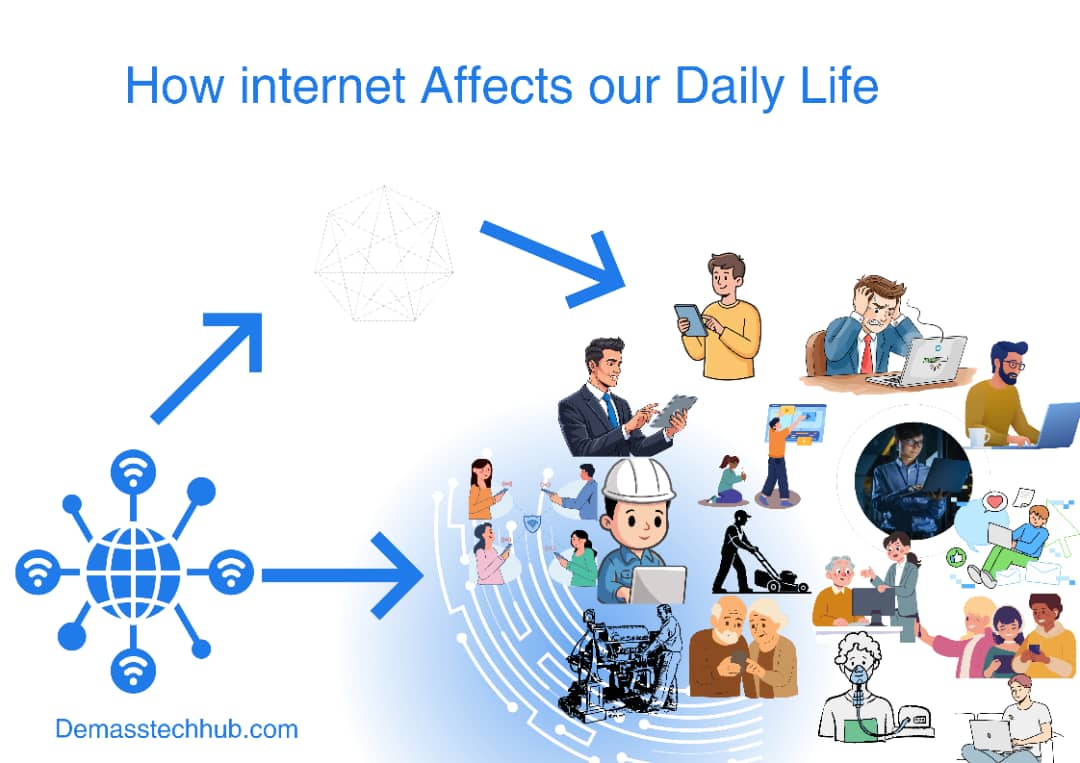
One of the biggest outcomes of technological advancement is the growth of internet-based communication. As technology has transformed communication in Nigeria and across the world, more people now rely on digital platforms to share information, learn new skills, and conduct daily activities.
Digital literacy refers to the ability to use digital devices, online platforms, and internet tools effectively and responsibly. It goes beyond knowing how to operate a phone or computer. A digitally literate person can find information online, understand what they see, evaluate sources, and use technology in a productive way.
Digital literacy includes understanding different types of technology, knowing how to search for accurate information, using digital tools for learning or work, and behaving responsibly online. For students, digital literacy supports learning and research, while for everyday users, it helps with communication, online transactions, and personal development.
What Is Digital Literacy?
In a digital world, digital literacy is no longer optional. It is a basic life skill that helps individuals adapt to modern society.
What Is Internet Safety?
Internet safety refers to the practices and measures taken to protect users from online risks. These risks include cybercrime, identity theft, online scams, exposure to harmful content, and privacy violations.
Internet safety focuses on protecting personal information, devices, and online identity. It teaches users how to recognize threats and avoid actions that could expose them to danger. For beginners and students, understanding internet safety is important because they are often the most vulnerable to online risks.
Why Internet Safety and Digital Literacy Matter Today
The internet has become a major tool for learning, social interaction, and business. Online communication allows people to connect instantly regardless of distance. As more people depend on the internet for education, communication, and information, the risks associated with poor digital knowledge also increase.
Without digital literacy, users may fall victim to misinformation, scams, or harmful online behavior. Without internet safety awareness, personal data can be misused, leading to financial loss or emotional distress. Internet safety and digital literacy help users make informed decisions and use technology in a way that benefits them and society.
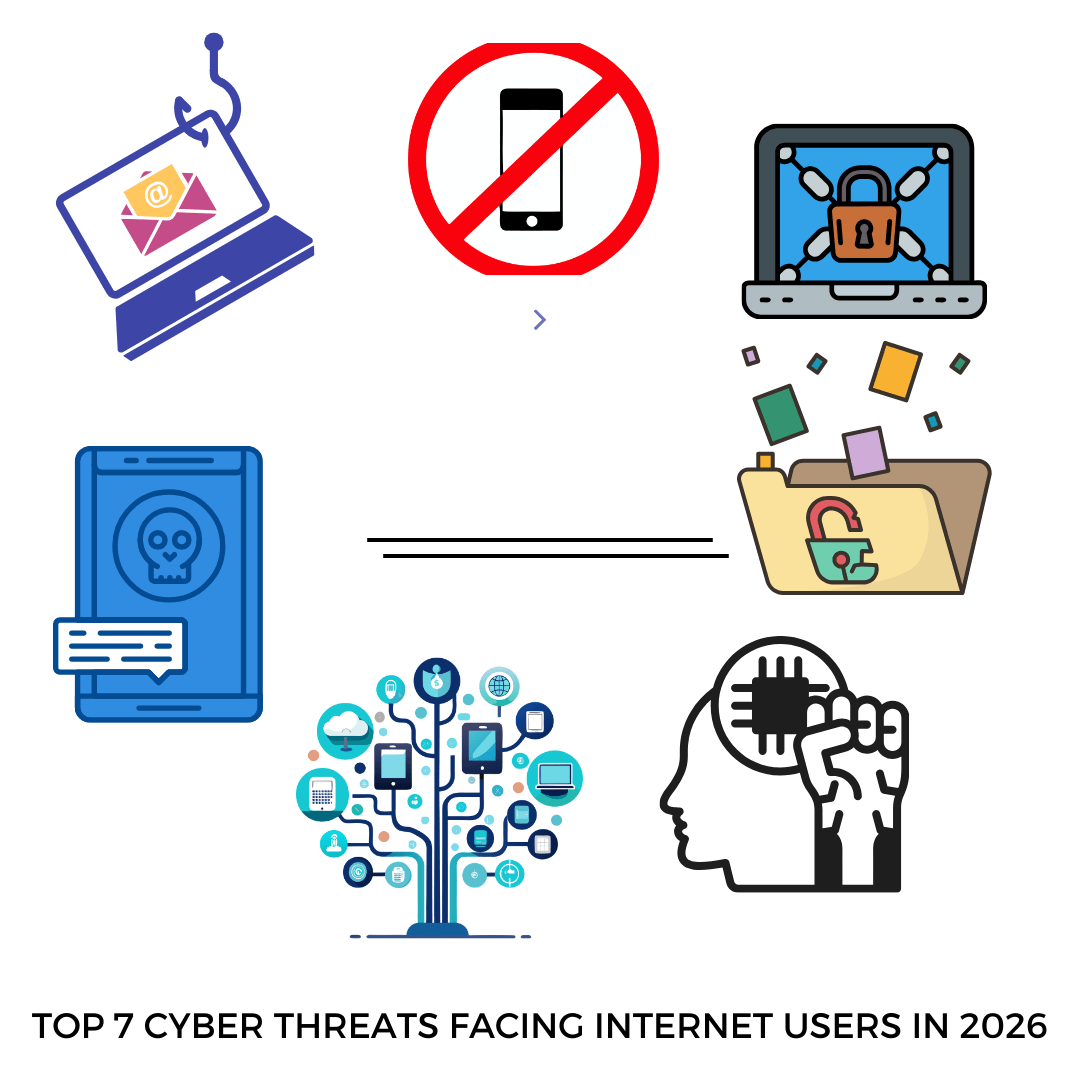
Common Online Threats Beginners Should Know
Phishing Attacks
Phishing occurs when scammers send fake messages or emails pretending to be trusted organizations. Their goal is to trick users into revealing personal information such as passwords or bank details.
Online Scams
Online scams include fake job offers, fake giveaways, and fraudulent investment schemes. These scams often promise quick rewards to attract unsuspecting users.
Malware and Viruses
Malware refers to harmful software that can damage devices or steal information. It often comes from unsafe downloads or suspicious links.
Fake Websites
Some websites are designed to look real but are created to steal personal data. Beginners may find it difficult to identify these fake platforms.
Understanding these threats is the first step toward staying safe online.
How to Identify Fake Information Online
Not all information on the internet is accurate. Fake news, misleading headlines, and false claims are common online. Digital literacy helps users question what they see instead of believing everything instantly.
To identify fake information, users should check the source of the content, compare information from multiple websites, and avoid sharing unverified news. Learning to evaluate online information protects users from misinformation and manipulation.
Safe Social Media Practices
Social media has become a major part of online communication. While it allows people to connect and express themselves, it also comes with risks.
Users should protect their privacy by adjusting account settings, avoiding oversharing personal information, and being careful about who they interact with online. Responsible use of social media supports positive communication and reduces exposure to online threats.
Protecting Personal Information Online
Personal information such as phone numbers, addresses, passwords, and banking details should be protected at all times. Users should create strong passwords, avoid using public Wi-Fi for sensitive activities, and enable extra security features when available.
Protecting personal information reduces the risk of identity theft and online fraud. Internet safety depends largely on how carefully users manage their digital identity.

Internet Safety Tips for Students and Beginners
Students and beginners should use trusted educational platforms, avoid downloading unknown applications, and always log out of shared devices. The educational use of technology should promote learning and growth, not exposure to unnecessary risks.
Learning how to use technology safely encourages confidence and independence in digital environments.
Common Mistakes New Internet Users Make
Many beginners make mistakes such as clicking unknown links, sharing personal information carelessly, and installing unverified applications. These actions often expose users to security risks.
Digital literacy helps users recognize and avoid these mistakes, making their online experience safer and more productive.
Role of Parents, Teachers, and Guardians
Parents, teachers, and guardians play an important role in guiding young users. Teaching responsible internet use, monitoring online activities, and encouraging open communication help students develop healthy digital habits.
Guidance from adults supports safe learning and promotes ethical behavior online.
Becoming a Responsible Digital Citizen
A responsible digital citizen uses technology ethically and respectfully. This includes respecting others online, avoiding harmful content, and using digital tools for positive purposes.
Understanding the importance of technology and its impact on society helps users contribute positively to the digital world.
Conclusion
Internet safety and digital literacy are essential skills in today’s technology-driven society. As technology continues to shape communication, education, and daily life, users must learn how to navigate the digital space safely and responsibly.
By developing digital literacy and practicing internet safety, students and everyday users can enjoy the benefits of technology while minimizing risks. Responsible use of the internet ensures a safer, more informed, and more productive digital experience for everyone.