



Introduction
Digital marketing has become one of the most in-demand skills in today’s digital economy. Businesses of all sizes rely on digital marketers to promote their products, generate leads, increase sales, and build brand awareness online.
The good news is that you don’t need a degree in marketing to start a career in digital marketing. With the right skills, training, and dedication, anyone can build a successful career in this fast-growing industry.
This guide will walk you through the steps to start your digital marketing journey.
What Is Digital Marketing?How Technology Has Transformed Communication in Nigeria
Digital marketing refers to the promotion of products, services, or brands using online channels such as:
Search engines
Social media platforms
Email marketing
Websites and blogs
Online advertising
Content marketing.
The goal is to connect businesses with their target audience and drive measurable results.
Step 1: Understand the Basics of Digital Marketing
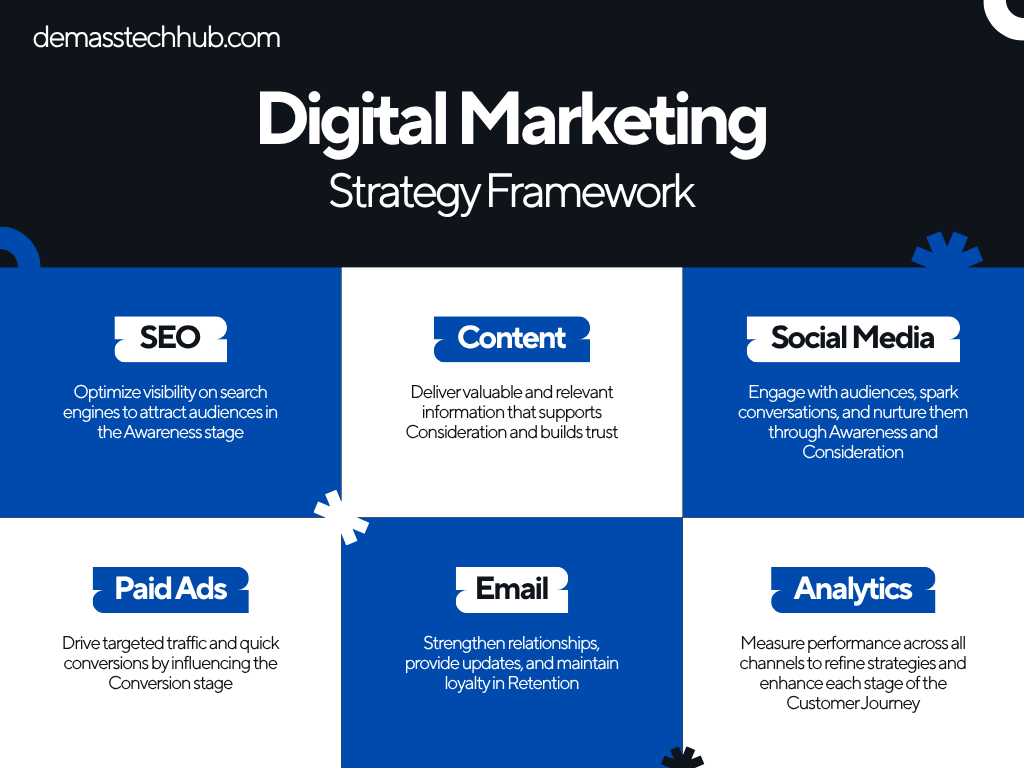
Before specializing, learn the major areas of digital marketing:
Search Engine Optimization (SEO)https://developers.google.com
Improving website visibility on search engines like Google.
Social Media Marketing (SMM)
Promoting brands on Facebook, Instagram, LinkedIn, TikTok, and X.
Content Marketing
Creating valuable content that attracts and engages audiences.
Email Marketing
Building relationships with customers through email campaigns.
Pay-Per-Click Advertising (PPC)
Running paid advertisements on Google and social media platforms.
Analytics and Data Tracking
Measuring campaign performance using tools such as Google Analytics.
Step 2: Learn Through Free and Paid Resources
Many platforms offer digital marketing training:
Google Digital Garage
HubSpot Academy
Coursera
Udemyhttps://udemy.com
LinkedIn Learning
Start with free courses and gradually invest in advanced training as your skills improve.
Step 3: Develop Practical Skills
Learning theory alone is not enough.
Practice by:
Creating a blog
Managing social media pages
Running small campaigns
Writing SEO-friendly articles
Building email newsletters
Hands-on experience helps you understand how digital marketing works in real-world situations.
Step 4: Master Essential Tools
Digital marketers use various tools to improve productivity and performance.
Popular tools include:
Google Analytics
Google Search Console
Canva
WordPress
Meta Business Suite
Mailchimp
Semrush
Ahrefs
You don’t need to master all of them at once. Start with the basics and grow gradually.
Step 5: Build a Portfolio
Employers and clients want proof of your skills.
Your portfolio can include:
Blog articles you’ve written
Social media campaigns you’ve managed
SEO projects
Website designs
Marketing reports
Even personal projects can demonstrate your abilities.
Step 6: Gain Experience
Look for opportunities such as:
Internships
Volunteer projects
Freelance jobs
Personal business projects
The experience you gain is often more valuable than certificates alone.

Step 7: Build Your Personal Brand
Create a professional online presence by:
Optimizing your LinkedIn profile
Sharing marketing insights
Publishing helpful content
Networking with industry professionals
Your personal brand can attract opportunities and establish credibility.
Step 8: Stay Updated
Digital marketing evolves constantly.
Follow industry blogs and experts to stay informed about:
Search engine updates
AI tools
Social media trends
Advertising changes
Continuous learning is one of the keys to long-term success.
Career Opportunities in Digital Marketing
Some common roles include:
Digital Marketing Specialist
SEO Specialist
Social Media Manager
Content Marketer
Email Marketing Specialist
PPC Specialist
Marketing Analyst
Digital Marketing Consultant
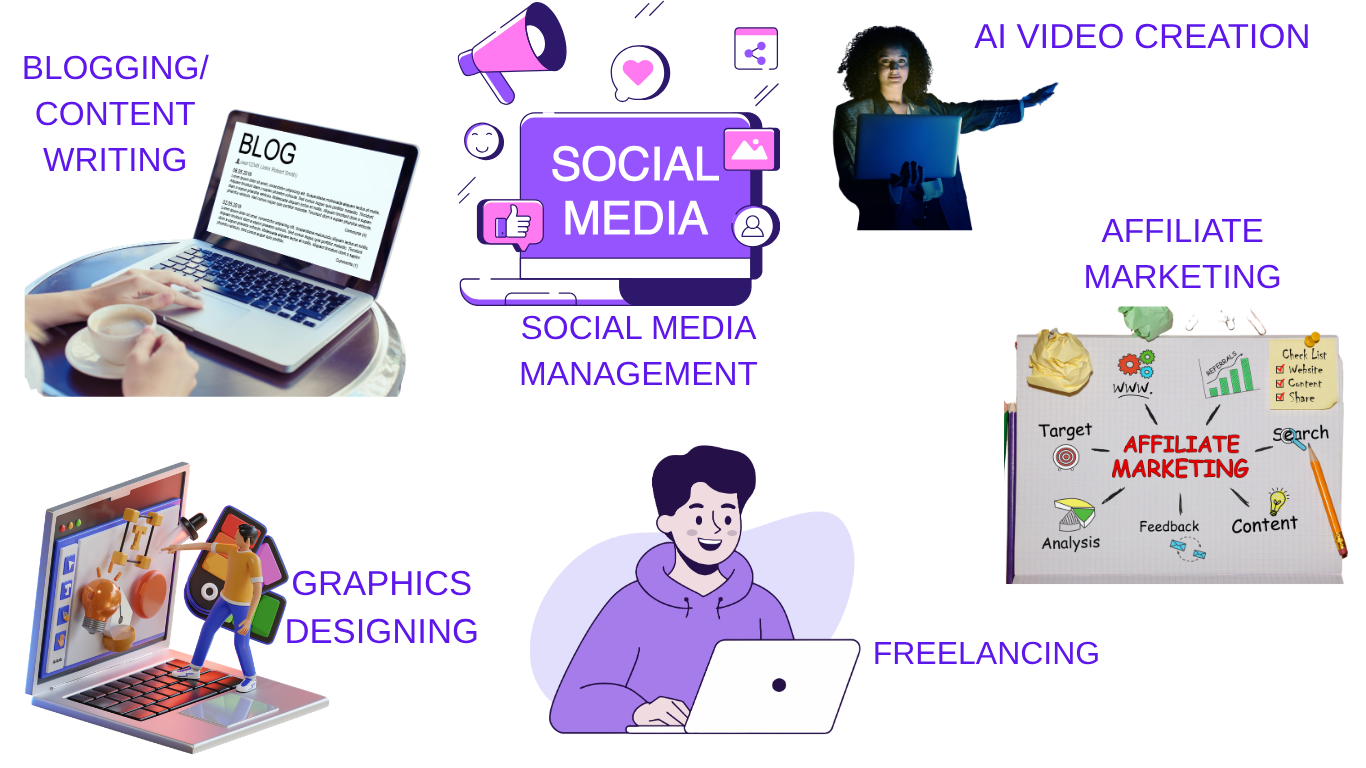
Many of these roles can be performed remotely, making digital marketing an attractive career option.HOW TO MAKE MONEY ONLINE WITH AI TOOLS
Conclusion
Starting a career in digital marketing doesn’t require years of experience or a marketing degree. By learning the fundamentals, developing practical skills, building a portfolio, and continuously improving your knowledge, you can position yourself for success in one of the world’s fastest-growing industries.
The best time to start is now. Every skill you learn today can open doors to new opportunities tomorrow.