



Technology has become an important part of human life. From the moment we wake up and check our phones to the way we communicate, learn, work, and even relax, technology plays a major role in shaping our daily activities. In today’s world, it is almost impossible to imagine life without technology.
This article explains what technology means, its history, types, importance, advantages, disadvantages, and real-life examples in a clear and simple way.
What Is Technology?
Technology refers to the use of scientific knowledge, tools, machines, and methods to solve problems and make human life easier. It involves creating and using tools or systems that help people perform tasks more efficiently.
In simple terms, technology is anything created by humans to make work easier, faster, or better. This can be as simple as a wheel or as advanced as artificial intelligence.
Brief History of Technology
Technology did not start today. It has existed since the early days of human civilization.
Early Technology
Early humans used simple tools made from stones and wood for hunting and farming. The discovery of fire, the invention of the wheel, and the development of farming tools were major technological breakthroughs that improved human survival.
Modern Technology
Modern technology began to grow rapidly during the industrial revolution. Machines replaced manual labor, and later, electricity, computers, and the internet transformed the world. Today, technology continues to evolve with innovations like smartphones, cloud computing, and automation.
TYPES OF TECHNOLOGY
Information Technology
Information Technology (IT) involves the use of computers, software, and networks to store, process, and share information. Examples include computers, websites, mobile applications, and databases.
Communication Technology
This type of technology focuses on sharing information over long distances. Examples include mobile phones, emails, social media platforms, and video conferencing tools.

Medical Technology
Medical technology helps healthcare professionals diagnose, treat, and prevent diseases. Examples include X-ray machines, medical scanners, digital thermometers, and health-monitoring devices.
Agricultural Technology
Agricultural technology improves farming activities and food production. Examples include irrigation systems, tractors, improved seedlings, and farming apps.
Educational Technology
Educational technology supports teaching and learning. Examples include online learning platforms, digital classrooms, educational apps, and virtual libraries.
Importance of Technology
Technology has greatly influenced how people live and interact with the world.

Importance of Technology in Daily Life
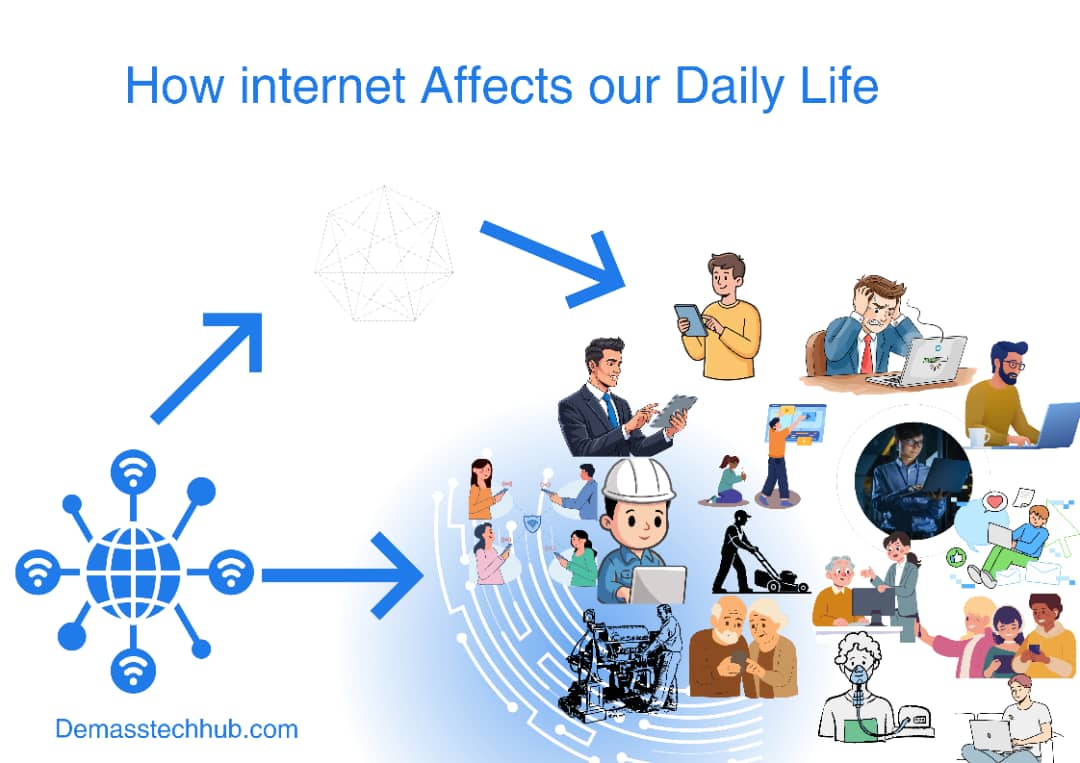
Technology saves time and effort. Tasks that once took hours can now be completed in minutes. Communication, transportation, and access to information have become faster and easier.
Role of Technology in Education
Technology has transformed education by making learning flexible and accessible. Students can attend online classes, access digital resources, and learn from anywhere in the world.
Role of Technology in Business
Businesses rely on technology for operations, marketing, customer service, and financial management. Technology helps businesses grow, reach more customers, and improve productivity.
Advantages of Technology
Technology offers many benefits to individuals and society.
Benefits of Technology to Individuals
- Makes communication easier and faster
- Improves access to information
- Saves time and increases productivity
- Enhances learning and skill development
Benefits of Technology to Society
- Improves healthcare services
- Boosts economic growth
- Enhances transportation systems
- Encourages innovation and creativity
Disadvantages of Technology
Despite its benefits, technology also has some drawbacks.
Negative Effects of Technology
- Overdependence on devices
- Reduced physical interaction
- Privacy and security concerns
- Exposure to misinformation
Challenges of Technology
Technology can be expensive and may increase inequality between those who have access to it and those who do not. It also requires constant learning to keep up with new developments.
Real-Life Examples of Technology
Technology can be seen in many areas of everyday life.
Technology in Communication
Mobile phones, messaging apps, and video calls allow people to connect instantly across different parts of the world.
Technology in Healthcare
Doctors use advanced tools to diagnose illnesses accurately and provide better treatment to patients.
Technology in Transportation
Cars, airplanes, navigation systems, and ride-hailing apps have made movement easier and more efficient.
Future of Technology
Technology continues to advance, and the future looks promising.

Emerging Technologies
New technologies such as artificial intelligence, robotics, and renewable energy systems are changing how industries operate.
How Technology Will Shape the Future
Technology is expected to improve efficiency, create new job opportunities, and solve global challenges such as climate change and healthcare access.
Technology is an essential part of modern life. It has improved how people communicate, learn, work, and solve problems. While technology has some disadvantages, its benefits far outweigh the challenges when used responsibly.